I CONFETTI

SUGAR-COATED SWEETS

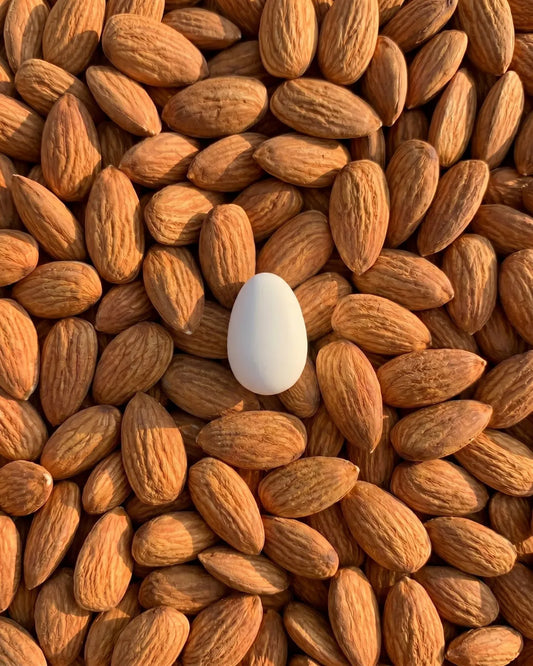
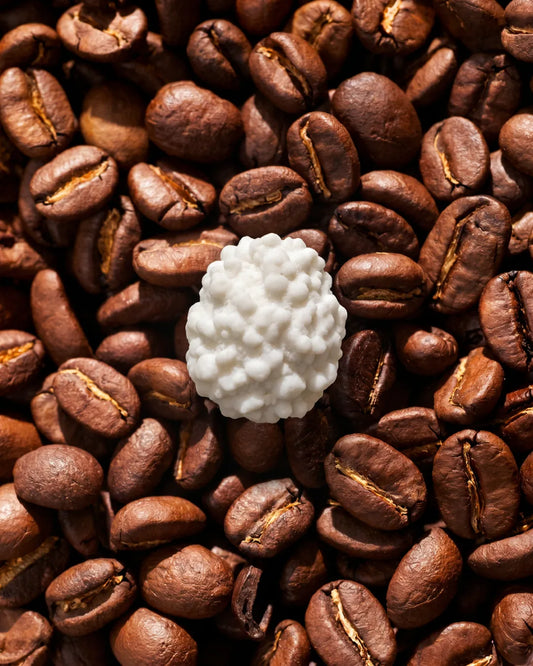
Romanengo represents the most ancient Italian confectionery tradition, which it keeps alive through the exclusive use of gum Arabic and sugar syrup. Our confectionery products are based on several raw materials, including Avola almonds, pine nuts, pistachios, cinnamon, cardamom, fennel seeds, candied citrus peel and coffee beans.

I tuoi gusti:

TRADITIONAL ARTISANAL SUGAR

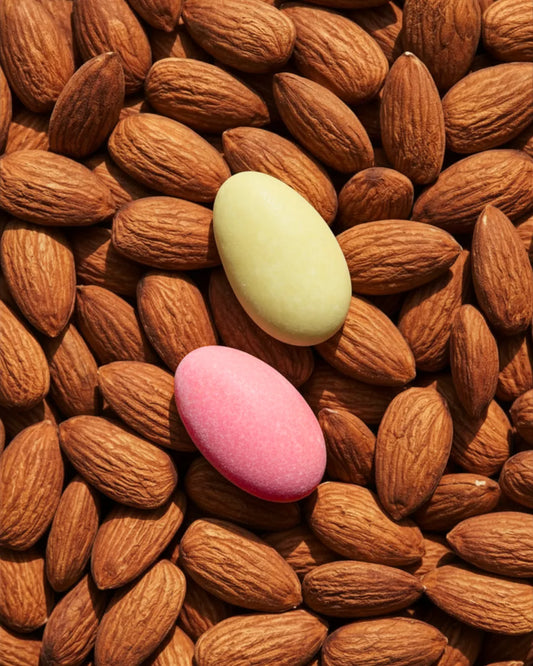
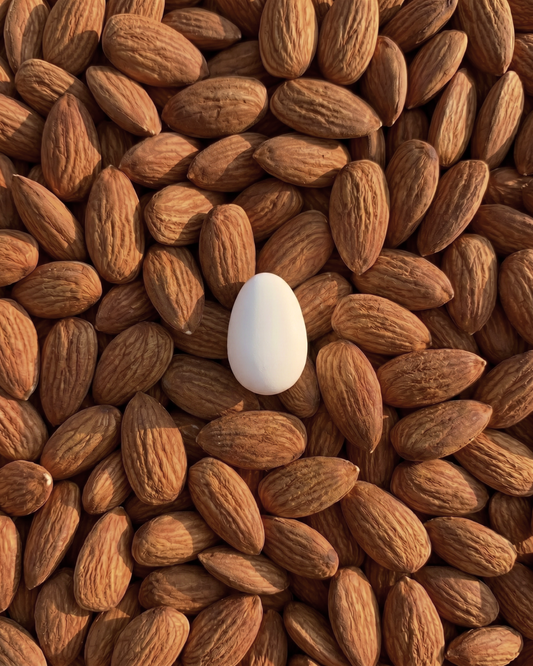
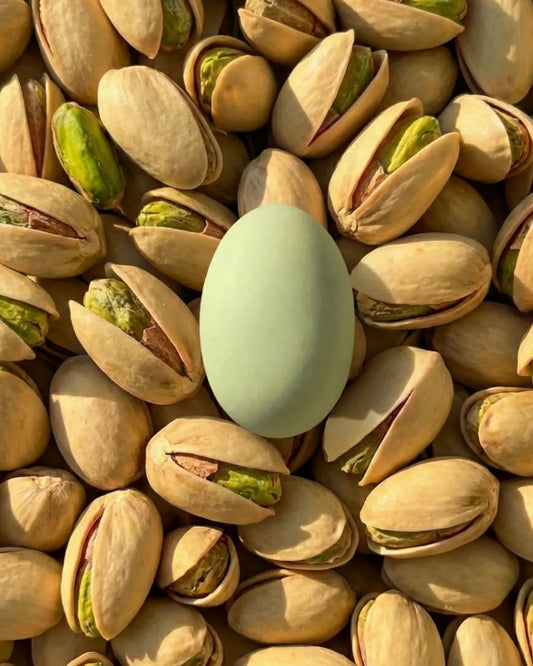
Romanengo handmade sugared almonds have represented the excellence of Genoese confectionery since 1780. Avola almonds, pistachios, pine nuts and fine spices are transformed into precious sugared confections using traditional techniques passed down through generations.

SPEZIE DA CAMERA

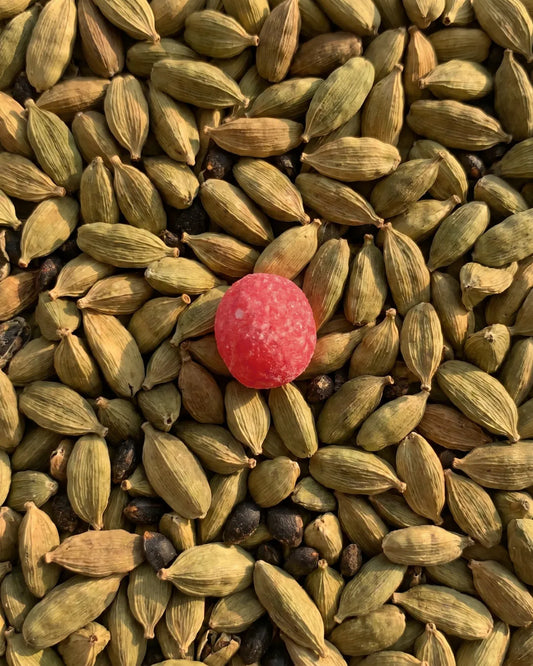
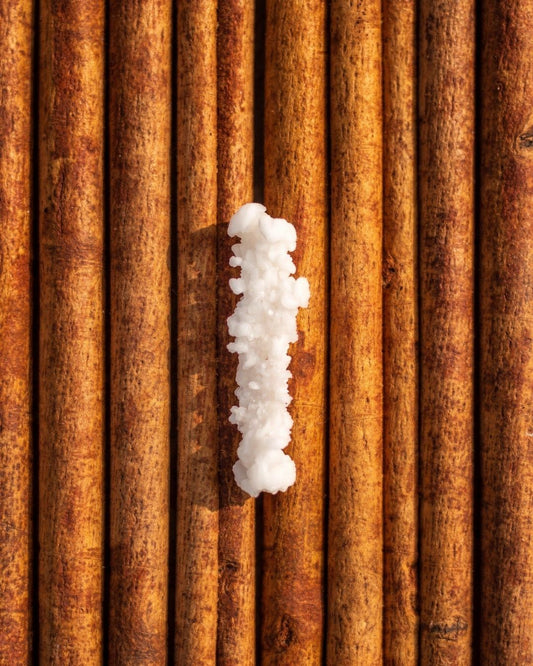
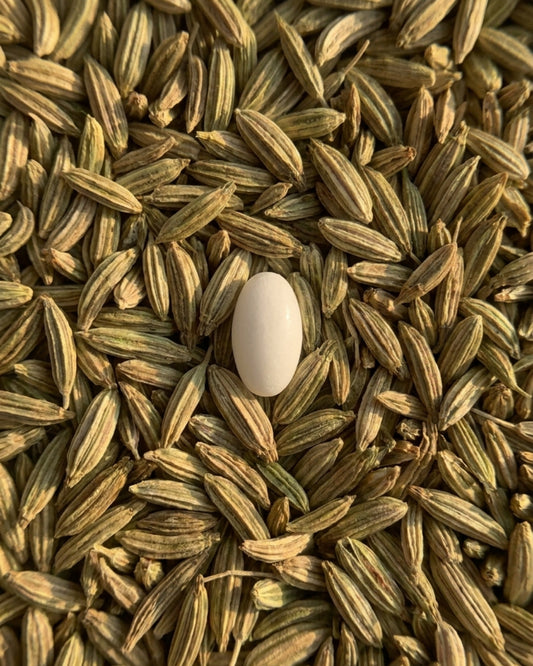
Among Romanengo’s historic specialities are Spezie da Camera: sugared fennel seeds, cardamom and cinnamon, once served after banquets and during social visits. Popular from the Renaissance through the nineteenth century, they are considered the ancestors of modern sugared almonds and breath pastilles.

SELECTION OF RAW MATERIALS

Romanengo sugared almonds have accompanied ceremonies and the most important occasions for over two centuries. Handmade since 1780, they are chosen for wedding, baptism, First Communion, Confirmation and graduation favors, as well as anniversaries and all the occasions that deserve an elegant keepsake.

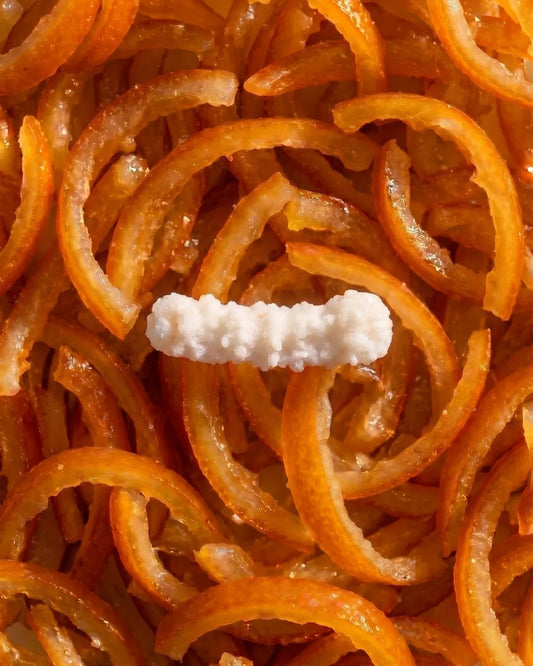
The collection includes classic sugared Avola almonds, a symbol of Italian tradition, alongside pistachios, Italian pine nuts, sugared coffee beans, candied orange peels, cardamom seeds, fennel seeds and sugared cinnamon bark.

Sugared almonds are traditionally given in odd numbers, usually five, as a wish for good fortune for the newlyweds.

Five sugared almonds, five wishes for life together: health, wealth, happiness, fertility and long life. A small gesture with a profound meaning, expressing a wish for a shared and prosperous future.

The choice of an odd number is not accidental. As an odd number cannot be divided equally by two, it symbolically represents the union of the couple, which should never be broken or divided.

The way sugared almonds are presented is also part of the tradition: in the favor, they are generally gathered in a small tulle pouch, chosen in colours that complement the celebration.

A small gift that brings together beauty, taste and meaning, turning every favor into a lasting memory of a special moment.

FAQ
How can you recognize a quality artisanal sugared almond?
A quality artisanal sugar-coated sweets can be recognized by the thin and uniform sugar layer, the natural color not too white – because no whiteners are used – and the smooth but not excessively shiny surface, as no waxes are added. The taste of the almond or seeds inside should prevail, not that of sugar.
What's the difference between artisanal and industrial sugared almonds?
Artisanal sugar-coated sweets are produced in small batches in traditional copper basins, with long processing times. They don't contain starches, maltodextrins or other additives typical of industrial production, resulting in better digestibility and authentic flavor.
How long do artisanal sugared almonds last?
Our sugar-coated sweets, stored in a cool, dry place, maintain their freshness for over a year. The quality of the almonds and the natural sugar coating process guarantee long preservation without the use of preservatives.
Why choose artisanal sugar-coated sweets for ceremonies?
Artisanal sugar-coated sweets are a symbol of quality and attention to detail. For weddings, baptisms and important celebrations, offering high-quality sugared almonds shows care for guests and respect for tradition.